
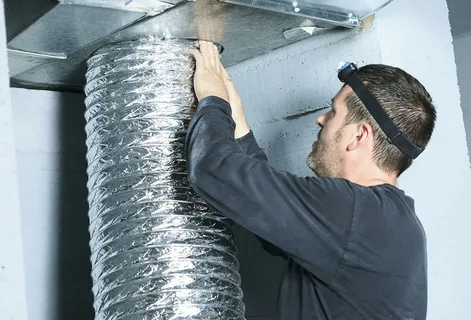
A heating and cooling system is only as good as its ductwork. Even the best HVAC unit cannot perform well if the air ducts are poorly designed or installed. Proper Duct Installation helps move clean, conditioned air to every room while reducing energy waste and improving indoor comfort.
Whether you are building a new home, replacing old ductwork, or planning an HVAC upgrade, understanding the installation process helps you make informed decisions. At Greg’s Air Solutions LLC, every project focuses on efficiency, airflow, durability, and long-term performance.
Below are the seven essential steps that every professional follows for successful HVAC duct installation.
Perform a Complete Home Assessment
Every property has unique heating and cooling needs. Before beginning any Duct Installation, HVAC professionals inspect the building layout, room sizes, insulation levels, ceiling height, windows, and airflow requirements.
This evaluation helps determine:
- Proper duct size
- Airflow demand for each room
- HVAC equipment compatibility
- Best routing for ductwork
Skipping this step often results in uneven temperatures, noisy airflow, and higher utility bills.
Design an Efficient Ductwork Layout
Once the assessment is complete, technicians create a custom duct layout. A well-designed system reduces pressure loss and allows conditioned air to travel efficiently throughout the building.
A quality duct vent installation plan includes:
- Short and direct duct runs
- Balanced supply and return vents
- Proper airflow distribution
- Minimal bends and restrictions
- Easy maintenance access
Professional planning ensures every room receives the right amount of airflow without placing unnecessary strain on the HVAC system.
Homeowners looking for reliable Duct Installation in Hypoluxo, FL often benefit from customized duct layouts that improve energy efficiency, indoor comfort, balanced airflow, and long-term HVAC performance while reducing unnecessary air leakage and operating costs.
Choose the Right Duct Materials
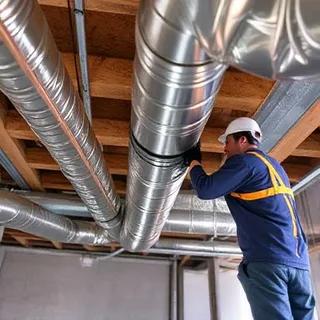
Not every building requires the same type of ductwork. Professionals select materials based on efficiency, durability, available space, and local building requirements.
Common duct materials include:
- Galvanized steel ducts
- Aluminum ducts
- Flexible ducts
- Fiberglass-lined ducts
Rigid metal ducts usually provide the best airflow and long-term durability, while flexible ducts are useful for tight spaces when installed correctly.
Using quality materials during HVAC duct installation helps improve airflow, reduce maintenance, and extend the lifespan of the entire HVAC system.
4. Install the Ductwork with Precision
The installation phase requires careful measurements and accurate connections. Every section must fit securely to prevent air leaks and airflow restrictions.
Professional technicians focus on:
- Accurate measurements
- Secure duct connections
- Proper support brackets
- Correct vent placement
- Smooth airflow transitions
Careful installing HVAC systems also involves protecting ducts from unnecessary bends or compression, which can reduce airflow and system efficiency.
Property owners searching for dependable HVAC Ductwork Installation in Hallandale Beach, FL often choose experienced professionals who understand airflow balancing, equipment compatibility, duct sizing, and energy-efficient installation practices that support reliable year-round indoor comfort.
Seal Every Joint and Connection
Air leaks are one of the biggest reasons HVAC systems lose efficiency. Even small gaps allow conditioned air to escape into attics, crawl spaces, or wall cavities.
Professional installers seal all joints using approved sealants and specialized tapes designed for HVAC applications.
Proper sealing provides several benefits:
- Better airflow
- Lower energy costs
- Improved indoor comfort
- Less dust infiltration
- Reduced HVAC workload
A properly sealed duct vent installation improves the overall efficiency of the heating and cooling system while helping maintain consistent indoor temperatures.
6. Add Proper Insulation
Insulating ductwork is especially important when ducts pass through unconditioned spaces such as attics, garages, or crawl spaces.
Without insulation, heated or cooled air can lose temperature before reaching the living areas.
Proper insulation helps:
- Reduce energy loss
- Prevent condensation
- Improve indoor comfort
- Protect duct materials
- Increase HVAC efficiency
Quality insulation is a valuable part of every professional Duct Installation because it supports long-term performance while helping homeowners reduce monthly utility expenses.
If you are considering dependable Air Duct Installation Services in North Palm Beach, FL, selecting experienced technicians who combine insulated ductwork, proper sealing, airflow testing, and precise installation methods can significantly improve indoor comfort and overall system efficiency.
7. Test, Balance, and Inspect the Entire System
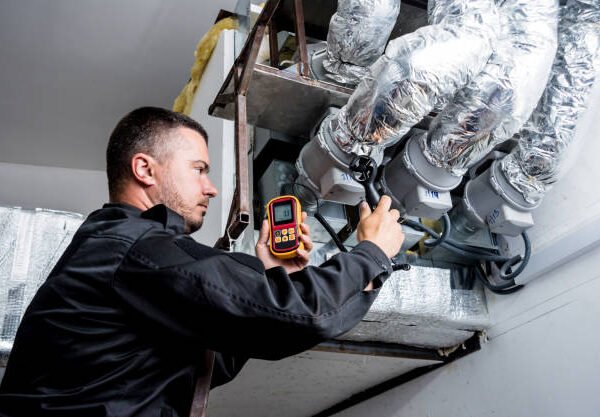
The final step is one of the most important. After completing the HVAC duct installation, professionals thoroughly inspect the entire system.
Testing typically includes:
- Airflow measurements
- Pressure testing
- Leak detection
- Vent balancing
- Temperature verification
- Equipment performance checks
Balancing ensures each room receives the correct amount of conditioned air. Without balancing, some rooms may feel too hot while others remain too cold.
Final inspections also confirm that the system meets local building standards and manufacturer recommendations.
Why Professional Duct Installation Matters
Professional installation provides much more than properly connected ducts. It directly affects the comfort, efficiency, and lifespan of your HVAC system.
Benefits include:
- Better indoor air quality
- Lower energy consumption
- Consistent room temperatures
- Reduced HVAC repairs
- Quieter system operation
- Improved equipment lifespan
- Greater overall home comfort
Poorly installed ductwork can waste a significant amount of conditioned air, forcing HVAC equipment to work harder than necessary.
Common Mistakes During Installing HVAC
Many problems occur because shortcuts are taken during installation.
Some common mistakes include:
- Incorrect duct sizing
- Poor airflow planning
- Leaky duct connections
- Crushed flexible ducts
- Missing insulation
- Improper vent placement
- Lack of airflow balancing
Avoiding these issues helps maximize system performance while reducing future repair costs.
Signs Your Home May Need New HVAC Duct Installation
Older duct systems eventually wear out or become inefficient.
Common warning signs include:
- Uneven room temperatures
- Weak airflow
- Rising utility bills
- Excessive dust
- Noisy ductwork
- Hot or cold spots
- Aging duct materials
Replacing outdated ductwork with modern Duct Installation techniques often improves both comfort and energy efficiency.
Why Choose Greg’s Air Solutions LLC
Choosing experienced professionals makes a noticeable difference in the quality of your ductwork. Greg’s Air Solutions LLC focuses on precision, efficiency, and long-lasting workmanship for every installation project.
Their team understands the importance of proper sizing, airflow balancing, sealing, insulation, and performance testing. Every HVAC duct installation is completed with attention to detail to help homeowners enjoy dependable comfort throughout every season.
Final Thoughts
A successful Duct Installation involves much more than connecting pieces of ductwork. Every stage—from planning and material selection to sealing, insulation, and final testing—plays an important role in the overall performance of your HVAC system.
When each of these seven essential steps is completed correctly, homeowners enjoy better airflow, lower energy bills, healthier indoor air, and more reliable heating and cooling. Investing in professional HVAC duct installation today can provide years of dependable comfort and long-term energy savings.
Frequently Asked Questions
1. Why is professional Duct Installation important?
Professional Duct Installation improves airflow, increases HVAC efficiency, lowers energy costs, and helps maintain consistent indoor temperatures throughout the home.
2. How long does HVAC duct installation usually take?
Most residential HVAC duct installation projects can be completed within one to three days, depending on the home’s size, duct layout, and project complexity.
3. What is the purpose of duct vent installation?
Proper duct vent installation ensures that conditioned air is evenly distributed throughout the building while maintaining balanced airflow and indoor comfort.
4. Can old ductwork reduce HVAC efficiency?
Yes. Damaged, leaking, or poorly designed ductwork can significantly reduce efficiency, increase utility costs, and make heating and cooling systems work harder.
5. What should homeowners expect when installing HVAC ductwork?
During installing HVAC ductwork, professionals assess the property, design the layout, install ducts, seal joints, add insulation, test airflow, and balance the system for optimal performance.
6. How often should ductwork be inspected?
Most HVAC professionals recommend inspecting ductwork every three to five years or sooner if airflow problems, high energy bills, or indoor comfort issues appear.